Wet Insulation? Roof Repair Costs for a Leaking Roof
Water sneaking under lifted shingles compresses fibreglass batts and ruins their R-value. Here's what drives roof repair costs once insulation gets wet, and why replacement usually beats drying out.
Rain Getting Through? You Might Need Insulation Repair.
Water sneaking under lifted shingles does far more damage than a ceiling stain. Once melt-water drips into the attic, it compresses fibreglass batts, ruins their air pockets and slices the R-value almost to zero. Heavy, soggy insulation sags off rafters and soaks the drywall below. As heat then moves through the bare timbers, snow on the roof melts unevenly and refreezes at the eaves, forcing fresh water under shingles. What began as a thumb-sized shingle gap grows into deck rot, mould and higher energy bills. We have opened Red Deer attics where drenched batts weighed twice their dry mass, adding so much load that the ceiling bowed between trusses. Replacing crushed insulation, not just patching shingles, quickly becomes the biggest line on the invoice.
Why Insulation Replacement Beats Drying Out
Homeowners sometimes ask if fans or dehumidifiers can salvage soaked batts. Wet fibreglass never regains its loft; it compacts to a fraction of its R-value and leaves pockets that leak heat all winter. Paper facings become mould buffets that release spores each furnace cycle. The US EPA notes that moisture-damaged insulation also traps contaminants and can worsen indoor air quality. By removing the waste we eliminate the mould food, dry the roof deck and create a clean cavity for new insulation.
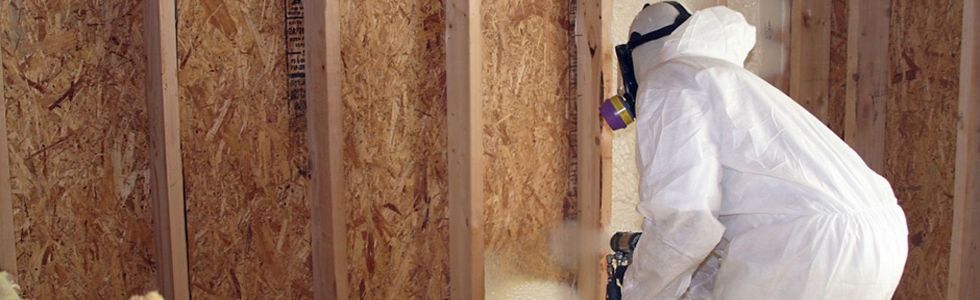
Closed-cell spray polyurethane foam is our go-to replacement. It expands to seal nail holes and hairline cracks and forms a built-in vapour retarder, so we skip poly sheets that can tear later — essentially the same full-depth assembly Alberta's own STANDATA now recognizes for unvented roofs, legal province-wide since September 2025. Because the foam bonds well to the deck and to the framing around it, it stands up to the freeze-thaw cycling that shingles and roof decks see through a Central Alberta winter.
What Your Insulation Removal & Replacement Quote Shows
Searching for "roof repair costs for a leaking roof"? We document every charge, so you see exactly where each dollar goes. The quote lists: leak area and deck boards to replace; cubic feet of insulation removal; thickness of new foam needed to meet today's Zone 7A code minimum; and any ceiling drywall work. If budget is tight, we suggest hybrids such as a few inches of foam topped with loose-fill cellulose, cutting cost while still sealing air leaks.
We've Got Answers to "Roof Repair Costs for Leaking Roof"
Check out our attic insulation page to learn more, and see how closed-cell foam fits other projects on our insulation services page. For a deeper look at why swapping soggy batts for closed-cell foam is worth it, the EPA's spray-foam guide shows how the material locks out moisture and helps stabilize household energy use — benefits Central Alberta homeowners see once their leaks are fixed and the attic is sealed.
We serve Red Deer, the Blackfalds area, Sylvan Lake and Central Alberta with roof-leak insulation replacement assessments and insulation quotes. Reach our local team to stop the drip before the next storm lands.