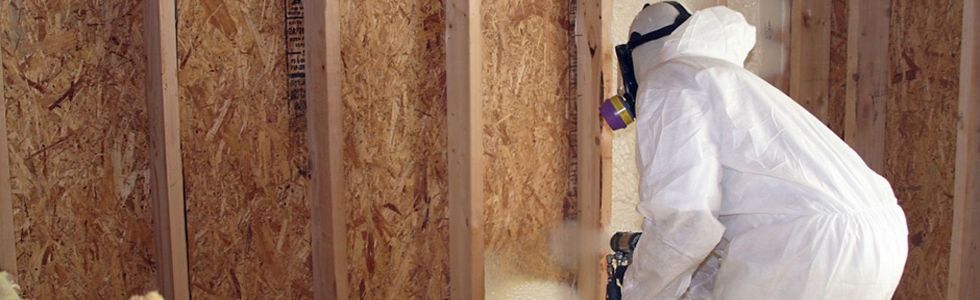
Pest Problems? Start with Spray Foam for Mice
Mice and other small pests follow air. Sealing the leaks that carry warm indoor air outdoors also removes the scent trail that guides pests to your building.
The problem is fairly simple at its core: mice and other small pests follow air. The same tiny holes that leak warm indoor air to the outdoors also carry scents that guide pests straight to food and nesting spots. When a structure leaks at rim joists, top plates or pipe penetrations, it behaves like a trail of breadcrumbs.
Seal those gaps and you erase the currents and odours that make a building easy to occupy — that's the logic behind using spray foam for mice problems. Foam expands into irregular voids, bonds to wood and metal, then cures into a solid layer that cuts uncontrolled air movement, so weak joints don't reopen with seasonal shifts.
Why Spray Foam for Mice Works
Sealing the envelope changes the behaviour of the whole building. Crack sealing with caulk can help at single seams, yet many leaks live in the web of pinholes around fasteners, sheathing joints and service runs. Even though a determined rodent can chew through thin foam, the bigger win is upstream — a tight envelope reduces the warmth and cooking smells that escape outside, so fewer animals come looking for a way in. National guidance on comprehensive air leakage control explains why stopping air movement is step one for energy, moisture and pest pressure, and those principles hold in Central Alberta winters.
On the ground, this means treating the usual offenders with purpose. At the basement, we seal the sill plate, rim joists and penetrations for water lines or cable. On main floors, we track down gaps at bath fans, plumbing stacks and electrical boxes. In attics, we seal around pot lights and the hatch before topping up insulation to depth.
Seal Mice Out Instead of Trapping Them
Traps can help address a symptom, but a whole-building seal addresses the underlying problem. Closed-cell foam is a strong choice for metal cladding, rim joists and other spots that see moisture or movement. Open-cell can be useful in interior assemblies that also benefit from sound-dampening. In some projects, we add backer rod or rigid plugs at larger gaps so the foam works as part of a layered detail.
As a Red Deer insulation company staffed by professional insulators, we build scopes that fit real problems, then stage work so rooms go back into use quickly with minimal disruption.
NFW Spray Foam Checks & Fills Every Leak
Rim and band joists are common causes of leaks in buildings. They mix wood, fasteners and framing transitions, so they often leak in more than one way — Alberta's code holds a rim joist to the same air-sealing standard as a wall, which is why sealing it well is worth doing properly, not just enough to quiet a draught. Demising walls between garages and living areas, plus cantilevers and knee walls that hide odd cavities, are next. In attics, sealing penetrations and the hatch stops warm air from pumping into the roof deck on cold nights. Top plates along exterior walls are another high-value target, especially in older homes where plaster or drywall hides uneven joints.
Following our insulation work, you can expect fewer draughts and less dust tracked through your living spaces. Odours should stay where they belong, which means less attraction for pests scouting outside.
We're happy to walk a property and flag the pressure leaks that a quick glance misses. Tell us where you notice cold corners or musty smells, and we'll map the route from that symptom back to the entry point that needs sealing.
Ready to make your building tougher to infiltrate? We assess, plan and install spray foam for pest sealing in homes, shops and barns across Central Alberta, including Red Deer, Sylvan Lake and the Lacombe area. Contact NFW Foam if you want this handled properly the first time.