Fire-Safe Insulation Around Your Christmas Fireplace
No product makes a house fireproof — but the right assembly around a wood-burning stove or gas fireplace, including a code-compliant thermal barrier coating over exposed foam, resists flame and buys time.
Once again, we've found ourselves in a winter wonderland of plunging temperatures, snow and slush — the same cold-weather window that shapes when spray foam can be applied around the province. The best part of winter for many people in Alberta and Canada has always been the holidays — that time spent with family in a cozy living room in front of a fireplace. At NFW Foam, we wish you a very merry, warm Christmas. We'd also like to take this opportunity to be clear about something: no product makes a home fireproof, including spray foam insulation, and we won't claim otherwise. What we do install is a code-compliant, fire-retardant coating over any foam near the hearth.
Why a Thermal Barrier Belongs at the Hearth
A wood-burning stove or gas fireplace can create real fire hazards in an otherwise cozy, holiday-ready home. While no product makes a house truly fireproof, the right assembly can resist flame, buy time and keep smoke from moving into living areas. The fundamentals are simple for a holiday home with a Christmas fireplace: seal the air leaks, use the correct insulation in the correct place, and finish exposed or adjacent foam with a protective coating.
Sealing matters, because a leaky shell tugs air through the room and can turn the chimney into a draughty flue path — the same standard Alberta's building code actually sets for air barriers is what our installers seal to, not a generic industry number. If you're experiencing air leaks around your fireplace, give us a call before the stockings go up. Our insulation installers track and close gaps so the fireplace runs steadily. Where insulation sits in cavities near the hearth, we finish with an intumescent coating rather than leaving foam exposed. If your attic sits over the living room, sealing and topping up insulation to spec supports even more consistent performance.
How Fire-Resistant Coatings Protect Spray Foam Insulation
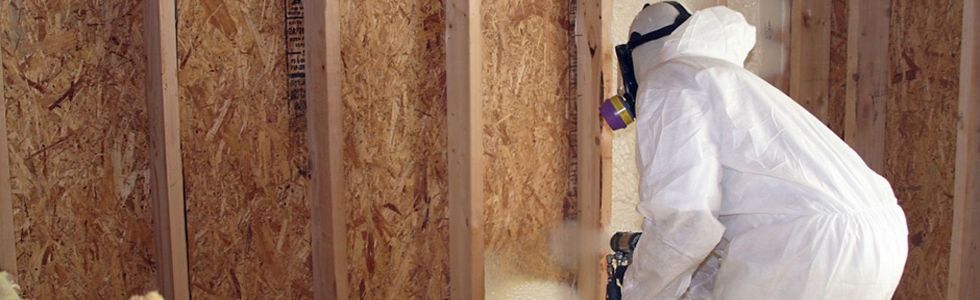
Spray foam is an excellent air and vapour control layer, but where people live or store items it must not be left exposed. After the foam is installed, we prepare the surface so it's clean and dry. Then we apply a fire-retardant, intumescent coating to the manufacturer's specified thickness — think of it as a paint-like layer that cures into a continuous film over the foam.
If fire starts to spread, this coating reacts by swelling into a char-like blanket, insulating the foam from direct flame, slowing heat transfer and reducing flame spread. That's a real, code-driven fire-safety measure — not a claim that the assembly is fireproof.
Fire Safety Tips for Your Holiday Fireplace
Holiday décor such as stockings, garlands and gifts should be kept away from the fireplace and mantle. Keep combustibles clear of the firebox, confirm the screen closes and make sure the damper moves freely. On gas inserts, check that the glass is intact and the gasket seals evenly. With wood, a clean chimney and dry fuel help reduce soot and keep the draught steady, so the room temperature feels consistent.
Next, think about air paths. If the hallway seems to pull the flame, a door undercut or a leaky rim joist may be driving unintended airflow — small seals at the right joints can stop that tug. In lower levels, media cables and plumbing often penetrate walls within a few metres of the hearth. Closing those gaps keeps smoke from backtracking when someone opens a door. For broader air sealing beyond the hearth, contact us for spray foam insulation across Red Deer and Central Alberta all year long.
NFW is always here to help ready the living room for family photos by the tree. Happy holidays.