Spray Foam Insulation Can Prevent Indoor Damp Walls
Summer condensation on interior walls comes from warm, humid air meeting cool surfaces. Spray foam insulation helps by regulating those surface temperatures and sealing the gaps moisture rides in on.
Summer might seem like the easiest season on your home, but the combination of heat, humidity and storms can create hidden risks that are expensive to fix later. At NFW Foam, we help homeowners stay ahead of those problems with one of the more effective upgrades available — spray foam insulation. It's not just about keeping your home cool. Spray foam helps guard against a surprising number of seasonal issues most people don't think about until it's too late, particularly AC overuse and indoor summertime dampness.
Is Your AC on All the Time?
In the heat of summer, your air conditioner is already working hard. But if your home has unsealed gaps, poor insulation or inadequate attic coverage, your HVAC system has to work harder to keep up — longer run times, higher power bills and a greater risk of breakdown. Spray foam insulation helps by sealing off the parts of your home that leak cool air, including attics, rim joists, basements and crawl spaces. By keeping cool air inside and hot air out, it lowers the demand on your AC system. In Alberta, that same air-sealing matters in the cold months too, so the work pays off in both directions.
What Causes Condensation or Damp Walls in Summer?
Condensation on walls during summer is usually caused by a mix of warm outdoor air and cool indoor surfaces. When hot, humid air from outside comes into contact with cooler wall materials — especially in air-conditioned homes or poorly insulated spaces — it creates moisture. This is especially common in basements or poorly insulated spaces where walls don't have a proper thermal barrier. Without insulation to regulate interior surface temperatures and reduce humidity movement, water vapour in the air turns to liquid on the walls, leading to dampness and potential mould growth.
How to Stop Damp in a Summer House
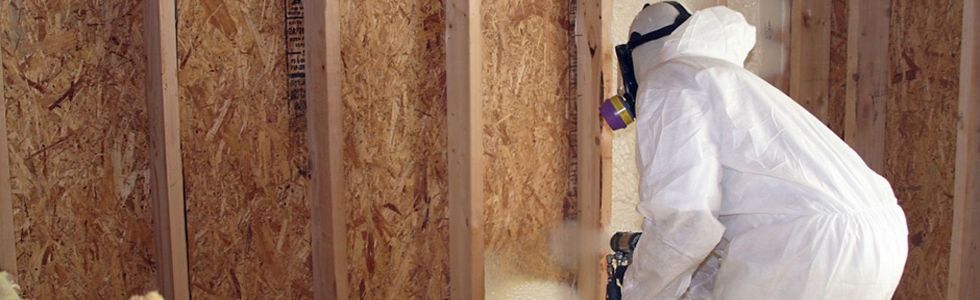
To stop dampness in a summer house, the most effective approach is to reduce humidity while improving the building envelope. This means sealing cracks, controlling airflow and installing insulation — preferably spray foam — to prevent warm air from bringing moisture inside. You'll also want the space well-ventilated so air can circulate and moisture can escape. Dehumidifiers can help in the short term, but long-term damp control depends on creating an airtight, well-insulated shell that resists temperature swings and moisture intrusion.
How Do You Fix High Moisture in Walls?
Fixing high moisture in walls starts with identifying the source — whether it's poor ventilation, air leaks or external water entry. Once the cause is found, dry out the affected area and address what's causing it to recur. In many cases, installing closed-cell spray foam insulation can stop moisture movement by creating a vapour-resistant barrier. There's a specific thickness where closed-cell foam clears Alberta's own vapour barrier threshold — here's the number — rather than a rule of thumb. If the wall is absorbing moisture due to poor insulation or air gaps, sealing it with spray foam addresses the immediate problem while also improving energy efficiency and air quality.
How Do You Fix Dampness in Walls?
Damp walls need both treatment and prevention. After drying the wall and removing any visible mould or mildew, the root cause has to be addressed — often related to poor insulation, thermal bridging or water ingress. Spray foam insulation is one of the more effective ways to address this, because it blocks airflow, resists water and reduces the cold surfaces that attract condensation. For long-term results, it's worth insulating the wall assembly from the inside out, sealing off the gaps that let moisture build up in the first place.
Condensation in Metal Structures
If you have a workshop, pole barn, detached garage or metal building, you've likely seen condensation forming on the inside during summer. That moisture can corrode fasteners, rust framing and damage stored equipment. Spray foam adheres directly to metal and acts as both a thermal and vapour barrier. Once installed, it helps regulate the surface temperature of your building so condensation is less likely to form — a practical, long-term way to protect tools, vehicles and the structure itself.
At NFW Foam, we help homeowners stay ahead of summer problems with smart, long-lasting solutions. Get in touch for a spray foam insulation project quote, or to talk about attic insulation or vapour blasting in Red Deer and area.