Canadian-Made Insulation & Service
NFW's core material toolkit is Genyk spray foam, Canadian-owned and Canadian-made, and Johns Manville Fiberglass, manufactured in Innisfail, Alberta.
When we talk about the way we insulate Central Alberta homes, shops and farm buildings, it always comes back to materials. We choose products for how they perform in real Alberta weather, how reliably they seal, and how they support your energy goals. That's why our core toolkit is simple: Genyk spray foam and Johns Manville Fiberglass, made right in Innisfail, Alberta. Genyk is Canadian-owned and Canadian-made, and Johns Manville Fiberglass is produced locally in Innisfail. With this Canadian and Alberta-made lineup, we aim for dependable results through long winters and hot, smoky summers.
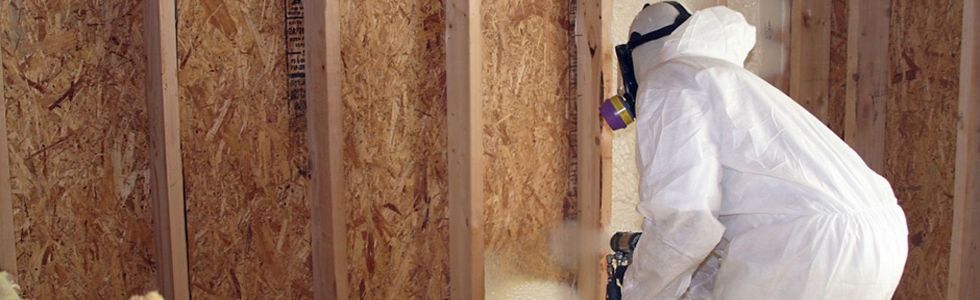
Spray polyurethane foam creates a continuous air and vapour barrier that stops the draughts and hidden leaks you feel most around rim joists, crawl spaces and rooflines. In our climate, that tight seal matters. Genyk spray foam expands to fill cracks and seams, then cures into a rigid layer that helps stabilize temperatures, reduce moisture movement and cut down on airborne noise moving through the building envelope. Because Genyk is Canadian-owned and Canadian-made, formulations and quality controls are tuned for our codes, conditions and expectations.
We use closed-cell where moisture control and higher R-value per inch are priorities, like metal buildings or below-grade walls. Alberta's Zone 7A code sets a different minimum R-value for each assembly — walls, ceilings, foundations and floors don't share one target, which is part of why the right product depends on where it's going. In attics or assemblies that benefit from sound-dampening and diffusion, open-cell can shine. Either way, a properly applied foam layer cuts uncontrolled air exchange, which means furnaces and air conditioners cycle less and rooms feel more even.
When you're comparing options for ag buildings and pole shed insulation, it's worth knowing how an air-sealed envelope helps protect equipment, livestock and stored grain while taming condensation in Quonsets and shops. We've applied the same principles to hobby barns, garages and commercial bays.
Alberta-Made Fibreglass for Flexible Installs
There are jobs where batts or blown-in are the smarter choice, especially during renovations with open studs, in long wall runs where services need future access, or when budget and timing point to a conventional install. That's where Johns Manville Fiberglass, made right in Innisfail, Alberta, earns its keep. Using Alberta-made fibreglass keeps supply chains short, supports local labour and helps us source quickly during busy seasons. It also means tight quality consistency from batch to batch.
Fibreglass remains a dependable thermal layer when installed to spec: full cavity depth with no compression, careful cutting around boxes and pipes, proper air sealing at transitions, and a correctly detailed vapour retarder where required. In many projects we combine materials to get the best of both. A thin Genyk "flash" layer can air-seal and control moisture, then we finish the cavity with Johns Manville insulation batts — the hybrid gives you the air performance of spray foam with the value of fibreglass in the same wall.
Floors over unheated spaces often deliver the biggest comfort gain per dollar. A well-detailed air seal at the rim joist, plus the right insulation strategy over the garage or cantilevers, cuts down on cold floors and reduces mid-winter condensation risk. In attics, a sealed lid is everything — a spray-foamed lid or sealed penetrations, paired with blown fibreglass or foam to depth, locks in comfort and helps keep ice dams at bay.
Choosing Between Spray Foam and Fibreglass Insulation
Every building leaks heat in its own way. Shops breathe differently than farmhouses, and heritage homes are nothing like new post-frame builds. We start with how you use the space, then match the material to the need.
For hard-working utility spaces, closed-cell Genyk spray foam resists moisture and shrugs off temperature swings. For framed interiors where future access matters, Johns Manville insulation makes maintenance simple while still hitting target R-values. In living areas, we pay special attention to attic insulation, rim joists and rooms over garages because these are the spots where air leaks happen first.
Spray foam insulation projects often finish with fewer draughts and steadier humidity. Fibreglass upgrades can be transformational too when air sealing is handled properly. Material is half the story; craftsmanship is the rest. Choosing Alberta-made and Canadian-made products keeps transport miles down and helps us stay nimble when you need help fast.
Ready to plan your upgrade before winter sets in? We insulate homes, shops and farm buildings across Central Alberta, including Red Deer, Sylvan Lake and Lacombe. Contact NFW to talk through your project.