Barn & Pole Barn Insulation with Spray Foam
Two-pound closed-cell spray foam creates a continuous thermal and air seal for livestock barns, crop-storage sheds and pole barns across Central Alberta, controlling condensation, rust and odour.
We insulate livestock barns, crop-storage sheds and multi-purpose shops across Central Alberta. When bitter winds howl off the Rockies or mid-summer heat turns the yard into a mirage, the building envelope decides whether animals are comfortable and whether equipment lasts another season. Barn insulation — done with two-pound closed-cell spray foam — creates a continuous thermal and air seal that keeps interior temperatures within a narrower comfort band, and it's the core of our agricultural insulation work across the region.
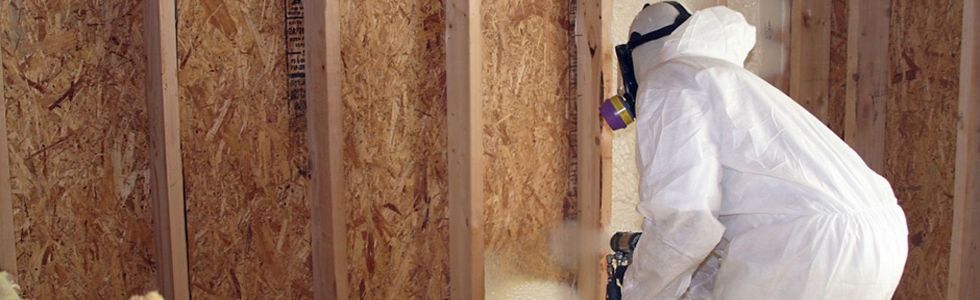
Uninsulated barns become convection machines. Warm indoor air rises through the roof seams while cold outdoor air pours in at the baseboards. That stack effect drives propane heaters into near-constant cycling. Applying spray foam directly to steel cladding and wooden framing breaks that loop — the foam expands to many times its liquid volume, knitting itself into lap joints and fastener dimples so there's nowhere left for air to leak.
Spray Foam Helps With Moisture, Rust and Odours
Humidity is a barn manager's unseen enemy. When warm, manure-laden air meets cold metal, it condenses, dripping back onto bedding and corroding truss brackets. Spray foam's closed-cell structure holds less than two percent water by volume and acts as a Class II vapour retarder, keeping the dew point out in the foam layer rather than on the steel.
Moisture control also cuts odour migration, since ammonia molecules hitchhike on water vapour — seal the vapour path and you reduce the smell that travels during inversion events. For equestrian arenas, the tighter envelope traps dust, letting mechanical ventilation target stale zones instead of chasing endless infiltration.
Structural Health of the Building, Not Just the Envelope
Spray foam adheres to ribs, diaphragms and panel overlaps, giving a pole barn's sheet-metal envelope a more bonded, less rattly feel — useful when chinook gusts hammer end walls. That bonding also helps quiet the drumming sound of hail on a bare metal roof, which matters for livestock that spook at sudden noise. It doesn't add a structural rating to the building under Canadian code, but the tighter, better-adhered assembly does hold up well against fatigue at fasteners and roof panels over time.
Cost and Return on Investment
Spray foam carries a higher up-front cost than fibreglass or bubble foil, but it's generally chosen for how it performs over the life of the building rather than for the lowest sticker price. Actual energy savings vary by building size, existing envelope condition and local gas rates, so we work through the specifics for your building during a quote rather than quoting a blanket payback figure. Because the foam bonds to the substrate, it doesn't sag over time, which helps savings persist for the life of the structure.
Alberta's dedicated barn and shop insulation funding stream funds insulation by the square footage rather than the usual 50/50 cost-share — but it also requires a current Environmental Farm Plan certificate on file before you can apply, and availability changes without much notice. Here's the honest, current picture of Alberta insulation rebates, including what's actually open right now, so you know what to count on before it's part of your budget.
Safety and Code Compliance
Most livestock barns, machine sheds and crop-storage buildings on a working farm are exempt from Alberta's building, energy and fire codes altogether — see exactly which farm buildings qualify, and which lose the exemption. That exemption disappears the moment a building adds a retail counter, an auction ring, bleachers or a crew above the low-human-occupancy threshold, and the full code then applies. Spray polyurethane foam installation itself still follows the CAN/ULC-S705.1 material standard and CAN/ULC-S705.2 quality-assurance standard regardless of whether the building is code-exempt, and we keep foam clear of exhaust pipes and open-flame heaters per the manufacturer's clearance requirements. Where a fire separation is required, we coat exposed foam with a code-compliant thermal barrier product rather than leaving it exposed.
Tighter buildings can allow smaller-capacity heating units, fewer air exchanges and reduced fan horsepower — which saves energy and can lower sound levels inside the barn, a plus for stock and staff alike. Less dust infiltration can also mean electronics such as robotic milkers go longer between maintenance cycles.
Long-Term Barn Insulation Maintenance
Spray foam has no loose fibres and no organic food source for pests, so occasional visual inspection for mechanical damage is generally all that's needed. If a loader bucket scrapes the wall, a two-component patch restores the continuous barrier. Spray foam's hardness and lack of nesting material make it a less inviting home for rodents than some traditional insulation materials.
Pole Barns Specifically
Pole barns sprang up across Western Canada for their speed of construction and versatile interiors, but bare sheet-metal envelopes magnify prairie extremes — baking equipment in August and freezing riding arenas come January. Pole barn insulation with closed-cell spray foam stabilizes temperatures, helps preserve finishes and extends equipment life in one retrofit.
A typical 3,000 sq ft pole barn takes roughly four hours of spray time for a two-technician crew, with the crew wrapping the job in a single daylight shift including masking and overspray control.
We upgrade barns throughout the Red Deer area, Blackfalds and Sylvan Lake. Secure your place in the seasonal schedule via our contact form.