Fix Equine Stable Leaks & Insulation Before Snow
When a horse barn leaks heat at the roof and along the slab edge, fuel bills climb and animals feel the swing. Here's how to seal a stable before the deep freeze hits Central Alberta.
Cold arrives fast in Central Alberta. One day the roof just sweats, the next you're dodging drips over bedding and checking waterers before dawn. When a horse barn leaks heat at the roof and along the slab edge, fuel bills climb and animals feel the swing. We help rural residents of Central Alberta seal up barns before the deep freeze as part of our agricultural insulation work, so stalls stay drier, floors feel warmer and heaters don't run nonstop. Many horse barns and riding arenas qualify as farm buildings that are exempt from Alberta's building code entirely — here's exactly which farm buildings that covers, and which don't qualify.
Spray Foam Insulation in Central Alberta Horse Barns
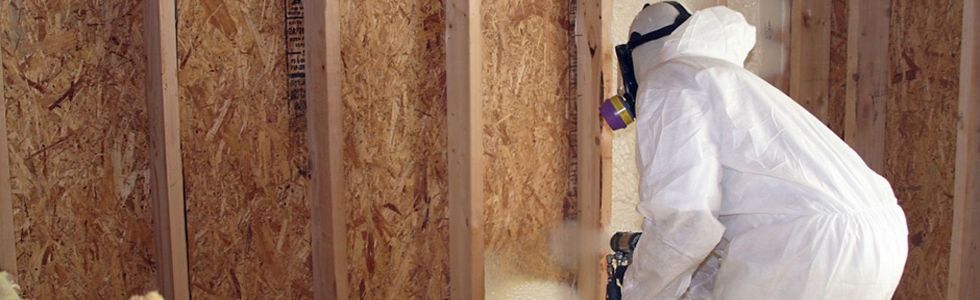
Steel cladding and big doors lose heat at every gap. Small cracks pull in wind, warm air rises, then frost builds under the roof and melts into a morning drizzle. A continuous coat of spray foam insulation inside an equine stable seals tiny cracks and cuts draughts in their tracks. It also quiets rattling on gusty nights and stops the roof drip that soaks bedding when the sun hits.
That same coat helps the air feel drier. Less condensation means fewer rusty fasteners, fewer crusted panels and fewer wet patches that never quite dry in January. It also protects the lines and fixtures you rely on when temperatures slide before dawn. If you're working in a steel shop, machine shed or Quonset, NFW Foam applies the same metal building insulation there too.
Solve Barn Roof Leaks & Keep Equine Stables Comfortable
Morning drip usually means the roof skin of your barn is meeting warm indoor air and turning it into frost, then water. A light lining on the underside of the roofing breaks that cold touch point and keeps surfaces above the drip zone. Agriculture Canada's guidance explains why even modest lining under steel cuts frost, reduces melt and protects animals, feed and tools — a practical approach producers can plan before storms stack up. Spray foam has real substrate-temperature limits once an Alberta winter sets in — here's how that affects scheduling, so it's worth booking before the deep cold arrives rather than during it.
For wood-frame lofts, our insulation team looks for gaps around light boxes, hatches and beam pockets, then seals them up tight. For metal barns, we focus on panel overlaps, end walls and door tracks.
If your barn has old, sagging insulation material that smells or hides rodent runs, we can clear it out and start fresh with insulation removal. After cleanup, a single pass of spray foam insulation blocks draughts and helps keep indoor temperature steady.
How to Keep Livestock Cozy This Winter
The coldest air in many barns hugs the slab edge, where animals naturally bed down. Insulating the outside edge reduces that bite, keeps floors drier and helps heaters cycle less. You'll notice calmer air near pens, fewer icy spots by doors and fewer cold shocks when you wash down after a long day.
You can trust NFW Foam to keep the rural insulation work farm-friendly. We set up doors so you can move feed and gear, cover sensitive equipment, and plan around milking or bedding schedules. When you want a one-and-done solution, spray foam insulation is the upgrade you and your animals will feel every day.
Ready to button up your barn before the first big snow dump? Give us a call for a quote on farm, ag and equine barn insulation.