
What to Expect On an Estimate.
What to have ready, how to prep the space before we arrive, how pricing works, and the jobs we don't take. None of this changes from one town to the next — so it's written once, here, properly.
- 01Serving Central Alberta since 2016
- 02Genyk & Johns Manville
- 035.0 on Google
Six Things Worth Having in Front of You.
None of this is required to book an estimate. All of it makes the visit more useful, and several items shape what a proposal looks like.
- 01
The rough size of the space
Square footage of the attic, crawl space, wall area, or building — even a rough estimate from a floor plan or a walk-through helps us plan the visit and bring the right equipment.
- 02
What's currently insulated, and with what
Existing batt, blown-in, or spray foam, and roughly how much of it. Removing or working around existing insulation changes the scope of a job.
- 03
How to actually get in
Attic hatch location, crawl space access point, gate codes, and whether a ladder or specific equipment is needed to reach the work area.
- 04
What's prompting the call
A cold room, an ice-damming roofline, a drafty rim joist, a new build stage, or a commercial/agricultural project — the symptom or project stage shapes the visit.
- 05
Anything stored in the space
Attics and crawl spaces often double as storage. Knowing what's up there or down there in advance means we can plan around it rather than discover it on site.
- 06
Any known moisture or pest issues
Past water intrusion, rodents, or mould changes the prep work needed before spray foam goes in — worth mentioning up front rather than finding it mid-job.
Five Things That Make the Job Go Smoother.
A little prep on your end means the crew spends its time spraying, not clearing a path or waiting on access.
Clear a path to the work area
Enough access to reach the attic hatch, crawl space entry, or wall section — there's no need to empty a room, but a clear path saves time.
Move anything you don't want overspray near
Spray foam expands and can drift slightly in an open area. Cover or relocate anything valuable that's near the work zone.
Plan for people and pets to stay clear during application
The work area needs to be unoccupied while spray foam is applied and during the initial cure. We'll tell you the timeline for your specific job before we start.
Ventilate as directed
Depending on the space, we may ask you to open windows or run ventilation during and after application. Follow the crew's guidance for your building.
Flag any open flame or pilot lights nearby
Tell us about any gas appliances, pilot lights, or heat sources near the work area in advance so they can be accounted for before spraying starts.
Work We Do Not Take.
Stated up front, because finding out at the door wastes your day. Where a job falls outside this list, we’ll tell you what kind of contractor it actually needs.
Fireproofing or intumescent coatings
Spray foam is not a fireproofing product, and we don't market or install it as one. If a project specifically needs fire-rated assemblies, that's a separate scope from insulation.
Structural repair or framing work
We insulate the structure you have. Spray foam does not add structural strength, and framing, sistering joists, or structural repairs are a carpenter or structural contractor's job.
Full roof replacement
We apply commercial roof coatings to extend the life of an existing roof. Tear-off and shingle or membrane replacement is roofing contractor work, not ours.
Electrical or plumbing work
We work around existing electrical and plumbing in the space, and will flag anything that looks like it needs attention — but wiring and pipe work themselves are licensed trades outside our scope.
General contracting and finish work
We insulate; we don't frame, drywall, or finish. If a project needs a general contractor to coordinate multiple trades, we're one piece of that team, not the lead.
Everything else is on the services list, and the the communities listed covered across Central Alberta.
Questions About the Visit
What actually happens on an estimate visit?
We look at the space, ask about the rough size and access, and talk through what's prompting the project. That conversation decides the scope and what a proposal looks like for your building.Will I know the price before work starts?
The space is assessed first. The proposed scope and the price are explained before any work begins.What if the visit finds more than I expected?
You get told what was found and what it would take to address it. Some things can wait; some can't, and you'll hear which is which rather than be sold the larger job by default.Do I have to be there for the estimate or the job?
Someone with authority to approve the work should be reachable, whether that's an owner, a property manager, or someone else designated for the project.Do you work outside the communities listed on the site?
The communities on our service-area pages are where we regularly work across Central Alberta. If you're just outside one of them, call and ask — it's a two-minute conversation.
Tell Us About Your Project.
Scope and price explained before any approved work begins.
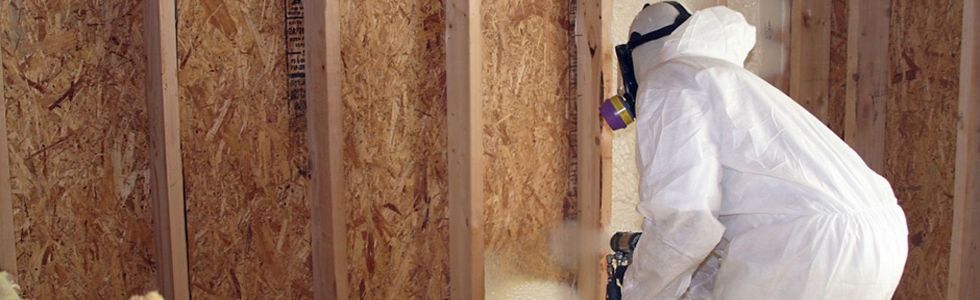 Real NFW work